

On April 18, 2026, the Beijing Trademark Association (BJTA) releases the list of 2025 Top 10 Trademark Litigation Cases and Top 10 Trademark Non-litigation Cases. Three cases handled by Wanhuida Intellectual Property make the lists.
Wanhuida represented Chinese auto maker Geely in successfully overcoming the unfavorable review of refusal decisions against its trademarks “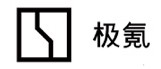 ” and “
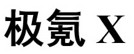 ”, which prominently feature the Chinese counterpart “极氪” of its ZEEKR brand, filed in class 12, through administrative litigation. Both marks were refused by the CNIPA, citing the deceptive clause of the Trademark Law. The CNIPA erroneously found that the Chinese component “氪”, which refers to krypton, a chemical element, is likely to cause misidentification among the consumers over the raw materials of the goods, when being used on “automobile and motorcycle”. The Beijing High Court sided with the client in the appeal. The case was selected to be included in the exemplary trademark administrative litigation cases.
The firm also represented Victoria’s Secret in suing the parasite cosmetics brand Victoria’s Fleur in the civil action on the ground of trademark infringement and unfair competition, obtained court injunction and damages of RMB 8 million. The infringers appealed before the Guangdong High Court but later applied for withdrawal of the appeal. On March 3, 2026, the Guangdong High Court approved the infringers’ motion to withdraw the appeal, and the first-instance judgment has taken into effect. The case was selected to be included in the exemplary trademark civil litigation cases.
In the 3rd case, Wanhuida represented a GSK subsidiary in successfully overcoming rejection of the trademark “DERMOVATE” filed in Class 5. The CNIPA rejected the application based on the finding that the term “DERM” could be interpreted as referring to “dermis” or “skin”, thus making the trademark misleading regarding the functions and usage of the designated goods. By presenting strong arguments focusing on the inherent distinctiveness of the mark, the prior registration of the same mark in the same class in China and various other jurisdictions, as well as the fact that no deceptiveness issues have arisen in English-speaking jurisdictions, we convinced the CNIPA to reverse the unfavorable decision in the review of refusal proceeding. The case was selected to be included in the exemplary trademark non-litigation(adjudication) cases.